Jump to:

Need some help?
Get in touch for a chat about your website, business idea or creative project. Get in touch
Late last year I enrolled on a board game design course.
Those who know me won’t be surprised to hear this; I am forever thrusting meeples into living rooms, writing home-brewed rules and devising hare-brained expansion packs for games that don’t need them.
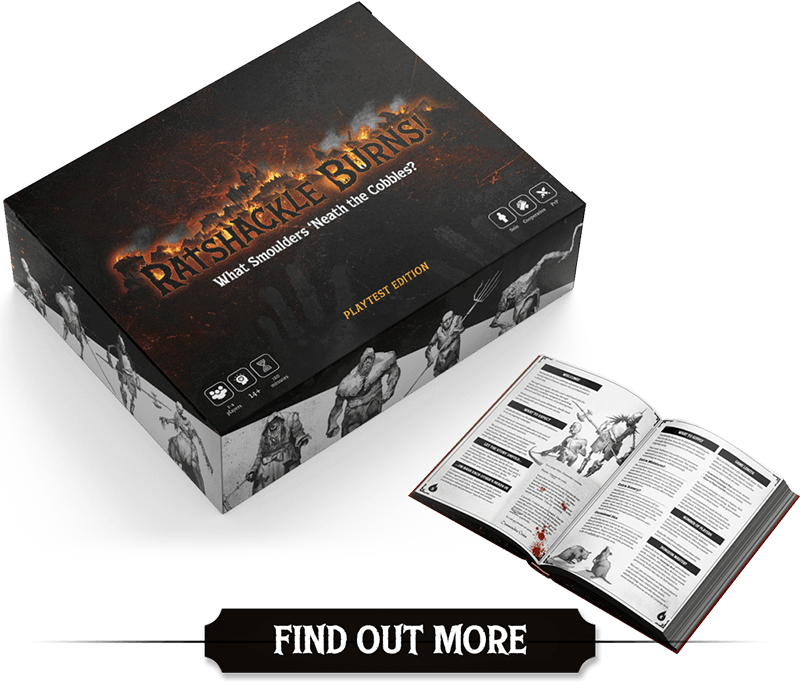
What people may not know is that for the past few years, I’ve been slowly, secretly, and with relentless enthusiasm, developing a board game* of my own. It began as a bit of fun but limb by limb, evening by evening, the project evolved into a fantastical world with rules, cards, character, components – a veritable life of its own.
*If we’re going to split hairs, it’s more a miniature skirmish game, but who’s counting? Me, I’m counting. This stuff matters.
How I found out about the course
Clearly, my Googling for dice designs had made an impression. As time marched on I began seeing sponsored ads for ELVTR’s board game publishing course. Led by a veteran games designer, the 10-week programme promised comprehensive tutelage on every aspect of the process: from theme and art direction to prototyping, production and routes to market. Included were weekly seminars, hours of Q&A, graded assignments and a substantial final project. Yum.
No, I thought, we mustn’t. We’ve too much work, bills to pay, responsibilities. Time spent on a board game course is time lost developing my board game. I pushed the adverts aside and continued, my focus set on the umpteenth prototype.
There were, however, a couple of itches.
My reasons for joining
For one, Winter was coming. A 10-week course promised an excellent pastime for the dark nights ahead. I hadn’t been in an educational setting since 2012, and the opportunity to resume the role of ‘student’ was a tempting one. Moreso, I am increasingly wary about AI sweeping me aside. Slim though the chances, game design could open a path to an industry that (so far) ringfences ‘analogue’ creativity: the industry is humming with pro-human pledges, generative AI bans, and platform restrictions. I’m not for a second suggesting that I intend on becoming a full-time games designer…but maybe I’d like to? Don’t ask, don’t get, right?
So I signed up, my concerns placated with the promise that I’d get my money back if I rescinded after the first week.
I did not rescind.
The course leaders
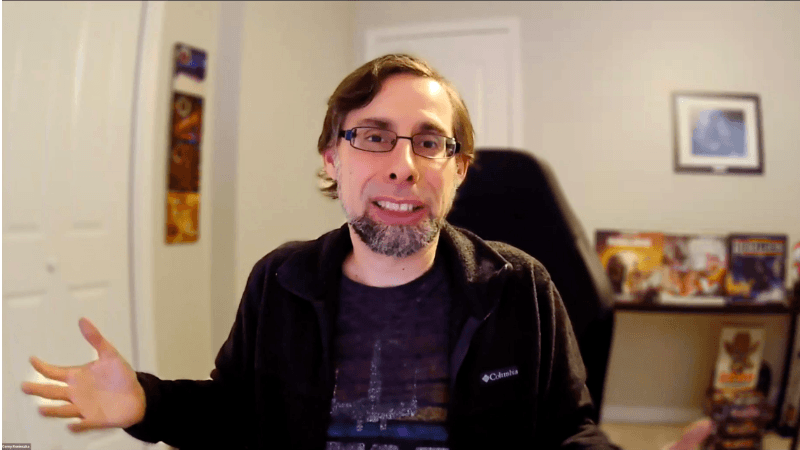
The ELVTR course was led by Corey Konieczka, an esteemed games designer of 20+ years with titles such as Star Wars: Rebellion, Mansions of Madness, Battlestar Galactica and 3000 Scoundrels under his belt. He spent almost 15 years at the publisher Fantasy Flight Games before helming his own outfit, Unexpected Games. Although I had not directly heard of Corey, I have unknowingly enjoyed many of his games, and it was great to revisit them now that I know the guy.
Assisting Corey was Jay Little, of 3 Years of War, Siege of the Citadel and Blood Bowl: Team Manager fame. Jay’s background is more my ballpark, having worked with Games Workshop – which is where I first cut my teeth with miniature wargaming. He has more hands-on experience with crowdfunding and self-publishing, and his feedback fed into many of my assignments.
Between them, Corey and Jay had a comprehensive acumen of the board games industry, the publishing landscape and the business chops required to awaken anyone’s tabletop dreams. On with the course!
The course format
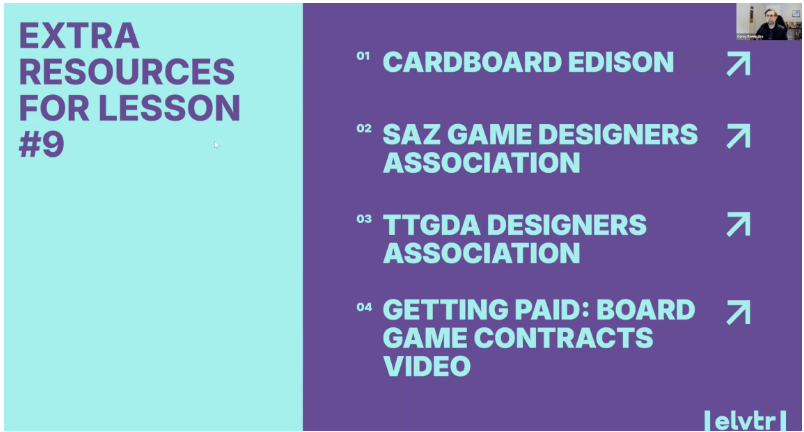
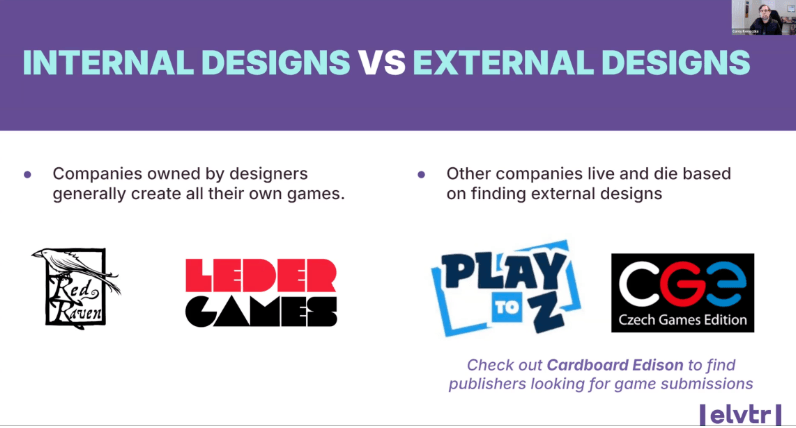
The course format was as follows: two 90 minute seminars a week, each followed by half of an hour of ‘office hours’ in which Corey would take open questions about our projects – on this point he was verrrrry generous with his time. The seminars were grouped by topic: everything from theme and market research to play testing, rules writing and offshore manufacturing. Despite my being glued to a laptop for my day job, these twice-weekly sessions became something to look forward to – not only for the stimulation but also to check in with fellow designers and get a glimpse of what they were working on.
Course assignments
Alongside the seminars were assignments: 7 pieces of coursework ranging from written explorations and rulebook samples to a grand final project. These were:
- Personal explorations: interrogating who we are as players/designers
- Theme analysis: devising new game ideas and justifying their existence in a crowded market
- Playtesting & feedback: creating a mini game of our own and iterating on player feedback
- Theme and mood boards: a deep dive into art direction and illustrative styles
- Forensic rules writing: crafting clear and accessible copy for popular games
- Market analysis: understanding the viability of our projects in relation to existing titles
- Production cost estimates: how manufacturing, components and distribution tie to MSRPs
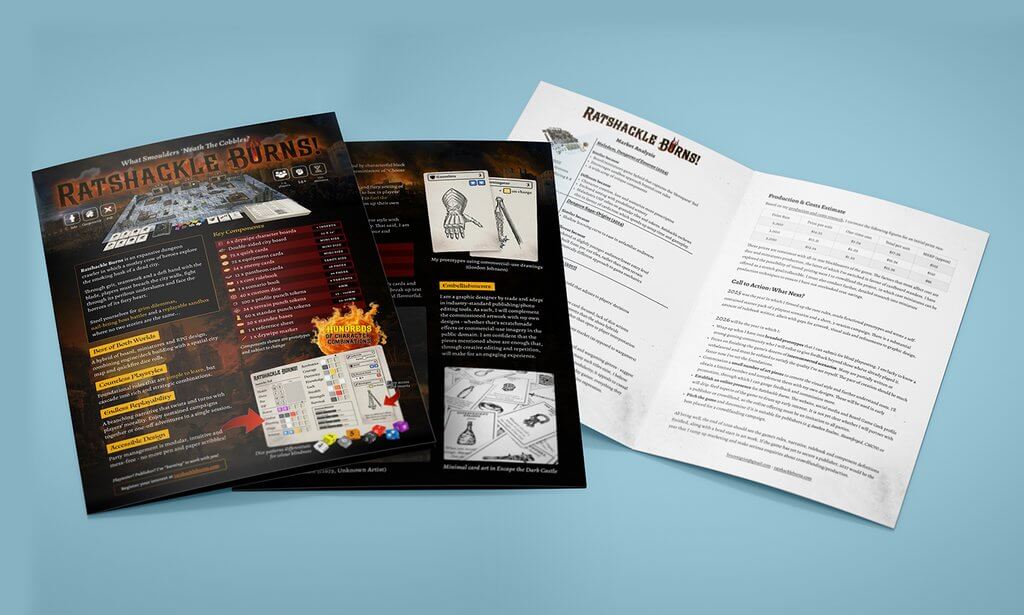
- Publisher pitch documents: an amalgamation of all the above, written to industry standards
Each week the assignments increased in scope, and it was great to see the marks roll in as Corey and Jay inspected our wor. The mind boggles at the level of effort and detail students put in, and also the personalised feedback we received in return. Hats off to everyone involved.
The students
I was delighted at the quantity and diversity of my fellow students’ projects. There were around 100 of us, all rocking wildly different ideas and in varying stages of completion. There were games in which you summon witch covens, rewild landscapes, mine the Midwest, a ticket-stub trivia game and a territorial wargame of warring moles. Each project felt different from the other, and all driven by passionate creators. Players ranged from curious hobbyists to impassioned designers, and they were to a person – lovely.
The community
Board game design is an inherently isolating experience; you spend countless hours on rules balancing, game mechanics and painstaking component design, to a point that it feels like you’re the last person on earth doing it. It was cathartic to connect with others who’d gone through the same experience, and to see the evident passion they had in bringing their projects to life.
To this day we stay connected through Discord and socials, and nearly a year on I’m seeing the students’ Kickstarters, prototypes and game demos emerge on my feed.
Corey was a star teacher and made himself very available. I don’t know why this last point surprised me – perhaps I assumed that a remote course with 100+ students would make for a distant experience – but the warmth and interaction he offered was outstanding. The seminars were not uninterrupted TED talks, but back-and-forth interactions with a clear Q&A process that felt neither noisy nor exclusive.
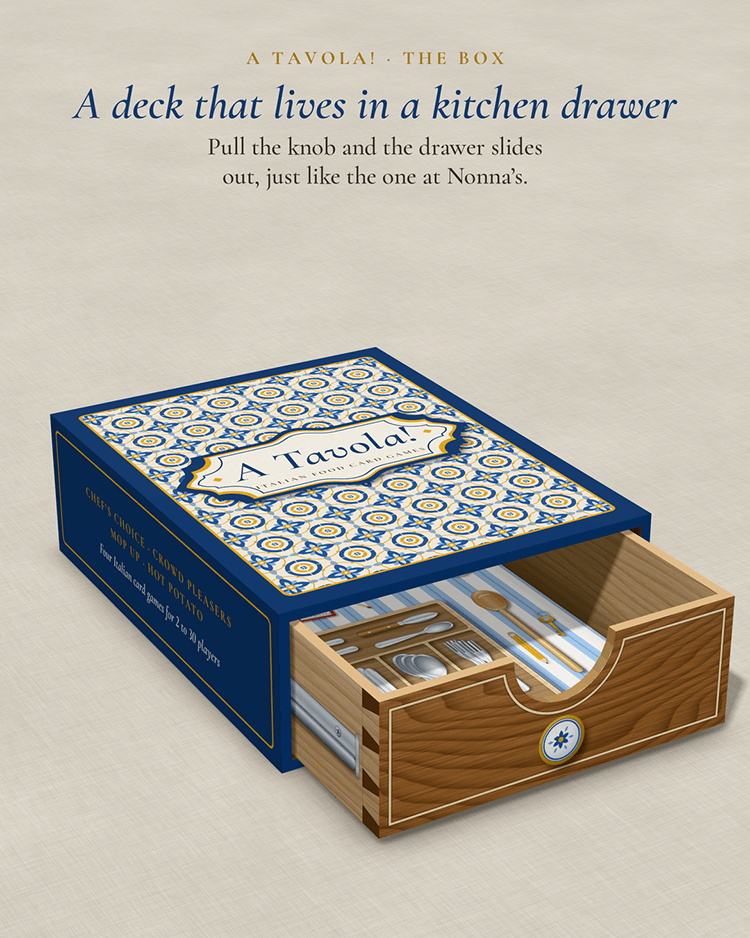
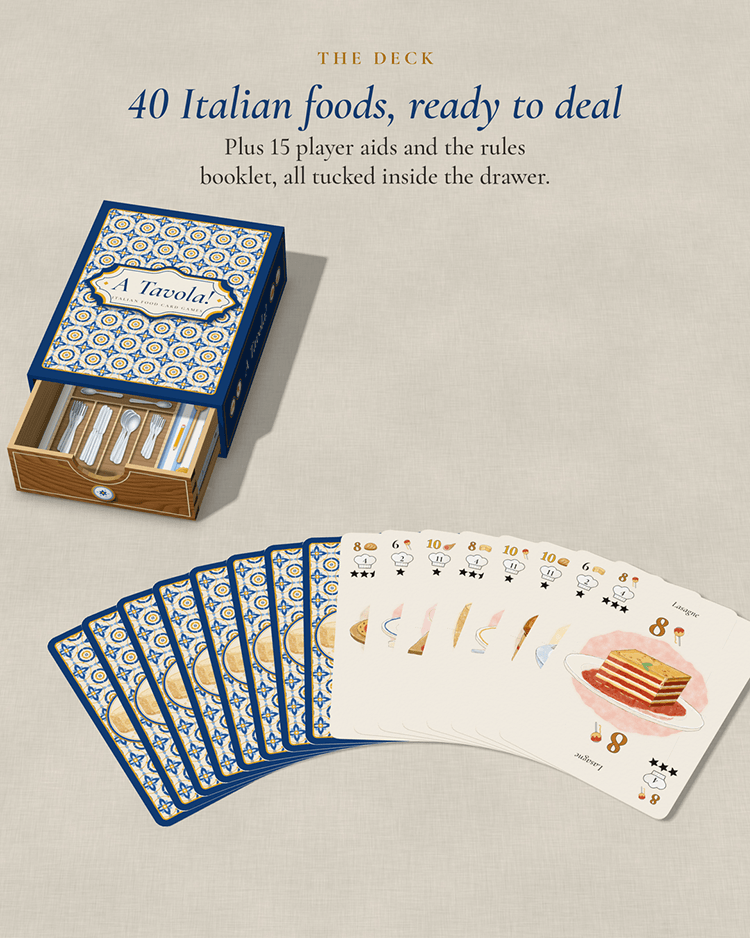
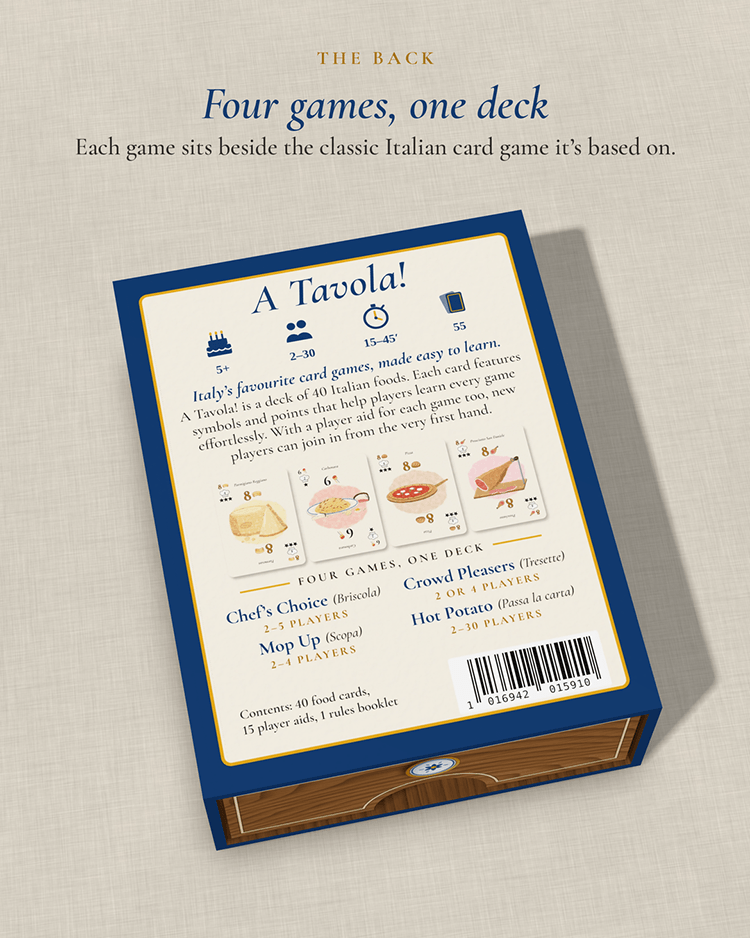
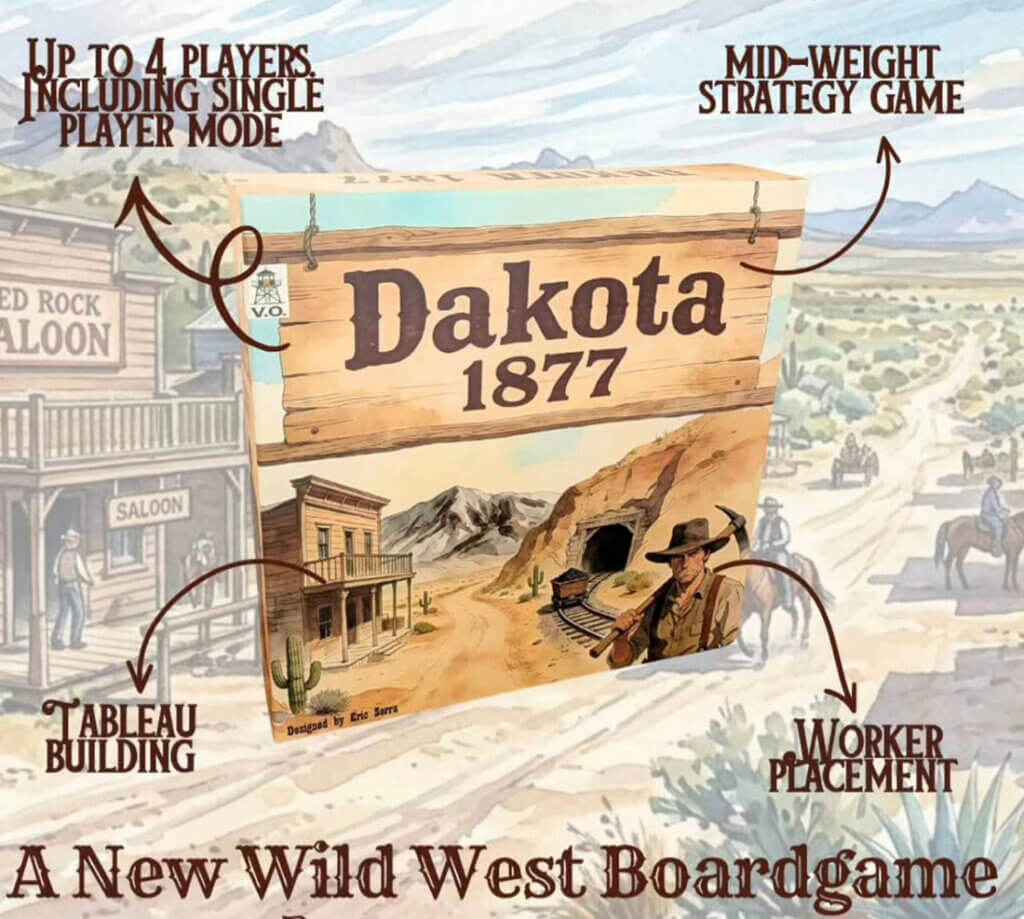
Above: A Tavola! and Dakota 1877 from community member Verdant Outpost Games
What I learnt
There was no part of the course that didn’t offer substantial knowhow. While some aspects were more familiar to me (graphic design, theme, art direction) others – such as distribution and pricing strategy – were totally uncharted territory. As I flick back through my notes, I see the following big takeaways from the course.
- Vision statements and project outlines
- Roles within a board game publisher
- Player experience, reasoning and motivations
- Accessibility in design
- Game mechanics approaches
- Theme, narrative and player immersion
- Playtesting methodologies
- Player interaction and scaling
- Visual design and ergonomics
- Art direction and illustration
- The game publishing landscape
- Distribution and retail
- The art of a great rulebook
- Manufacturing, materials and costing
- Editing and quality assurance
- Marketing and engagements
- Pitching to publishers
- Monetising and the business of board games
Within each of these are reams of notes which, thankfully, remain legible a year later. As I scribed Corey and Jay’s advice, I also scribbled frantically about how those principles applied to my own game. And boy did they improve things.
What I changed
When I enrolled, my game was a sprawling work-in-progress (both IRL and in my head). Throughout the course I took Corey and Jay’s advice to refine, iterate, cull and streamline my game mechanics – all for the better. Actions became smoother, user experience improved, rules tightened, and this gave me breathing room to focus on art and narrative.
What began as a buzzing swarm of ideas has coalesced into a cohesive, story-focused experience. There’s a long way to go yet, but by gum it’s alive!
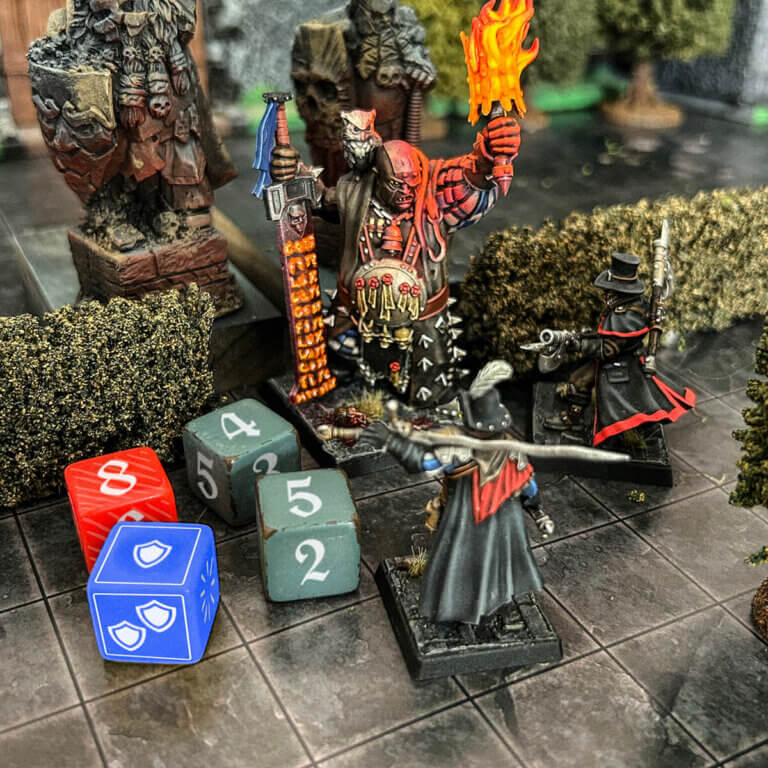
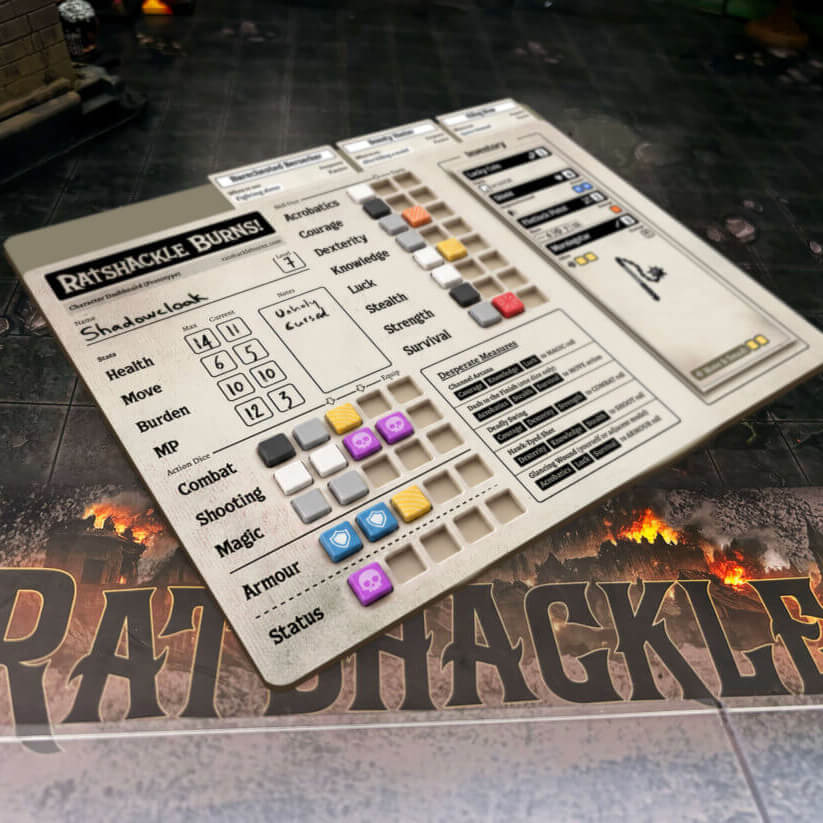
Above: the game pitches you, a band of adventurers, into the mayhem of a burning cityscape. Players must unearth its secrets, fight terrible bosses and take sides amidst warring factions. Components shown above are prototypes or third-party miniatures.
ELVTR experience
As for the ELVTR platform – very swish. The course ran smooth as butter, the resource material was clean and well-presented, and the dedicated coordinator made everyone feel at home. Recordings were made and documented of every session, complete with countless other resources as well as a thriving Discord community. No qualms there, and if the topic arises I’d gladly enrol in another one.
Find out more about my game
Oh, and my game? It’s called Ratshackle Burns. It’s a monstrous beast: like Dark Souls and Warhammer had a baby during the Great Fire of London. You can follow its development here.